How this Quest works

In an info quest, you share stories, facts, and descriptions at each stop. Participants read the information and explore at their own pace. You can also add images or YouTube videos.

The screenshots below are this example played for real, in Shoreditch, London β€” 5 stops, about 1.1 km of walking end to end. Nothing here is a mock-up: the 5 quests from this page, dropped on 5 real places and walked through.

The wording at each stop is a starting point, not a script. Each screenshot below names the real place it was staged at β€” borrow the shape of the walk and write your own for where you are.

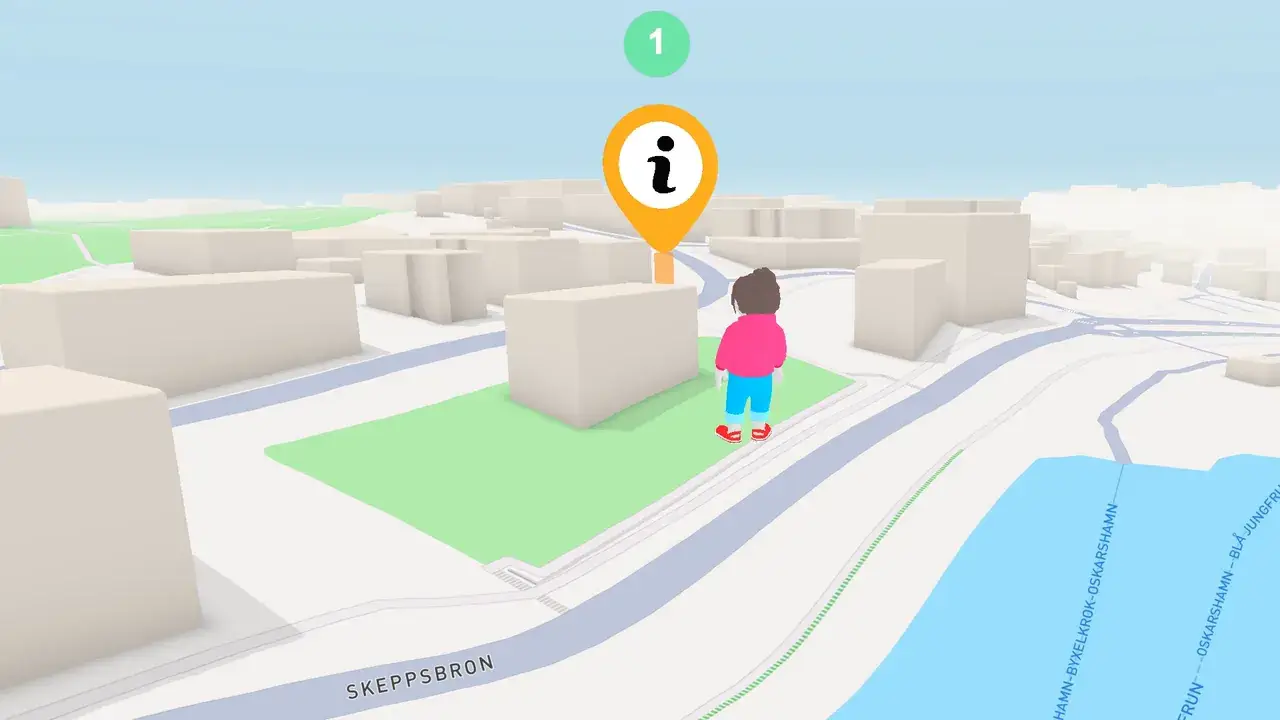
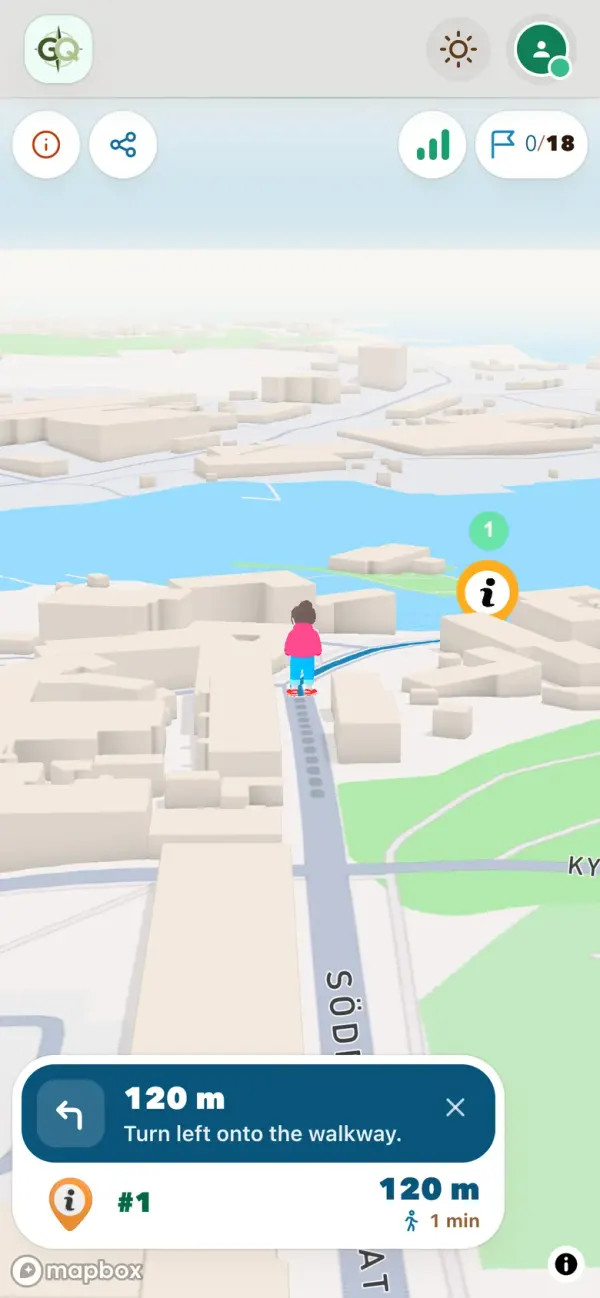
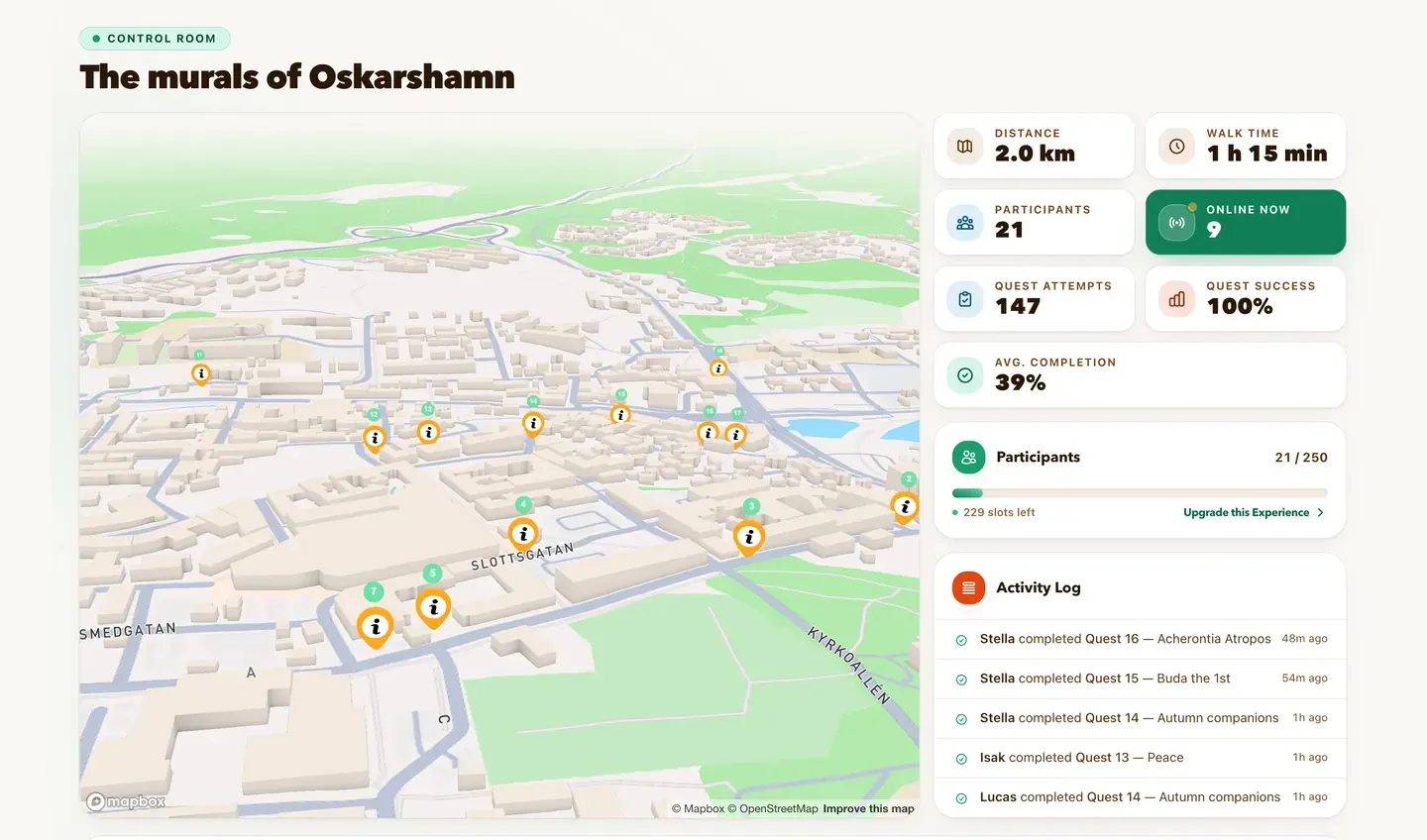
All 5 stops pinned across Shoreditch, London. The participant is 42 metres from the first. All 5 stops pinned across Shoreditch, London. The participant is 42 metres from the first.

A quest only opens once the participant is physically within about 30 metres of it, so each piece of the story lands while they are standing in front of the thing it is about.

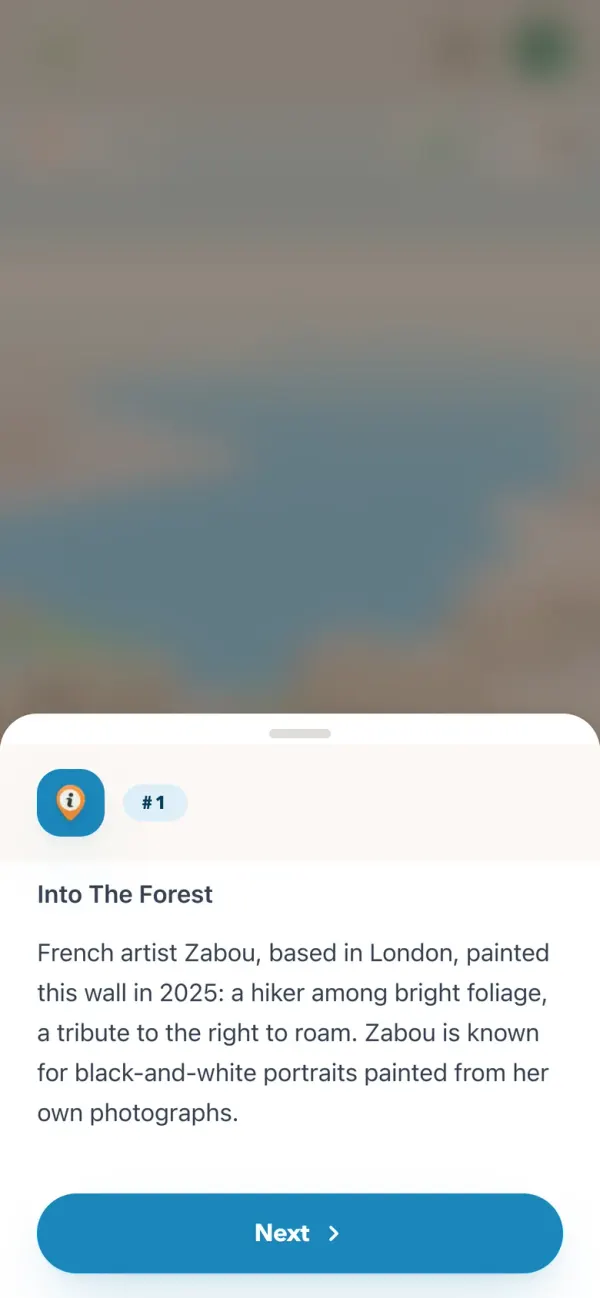
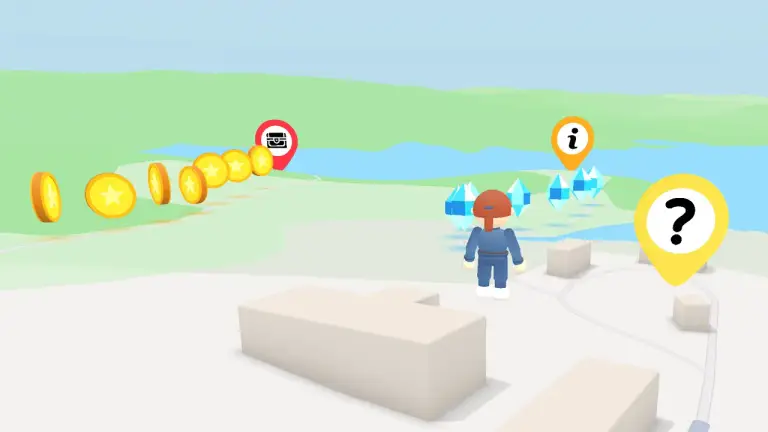
Stop 1 as the participant sees it, opened on arrival. Stop 1 as the participant sees it, opened on arrival.

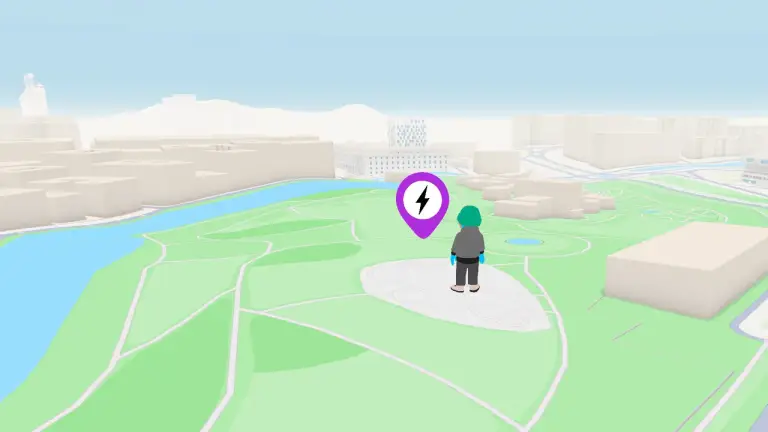
A completed stop pays the 300-point base plus whatever is left of the speed bonus. A completed stop pays the 300-point base plus whatever is left of the speed bonus.

Everyone's results land on the same scoreboard as they go, so a group spread across Shoreditch can still see who is ahead.

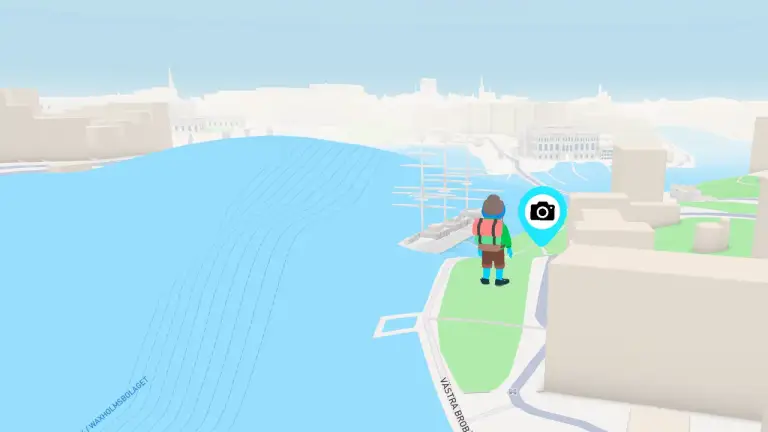
The live scoreboard part-way through. The live scoreboard part-way through.


Stop 1 β€” The Welcome Wall

Start with the most impressive piece in the area. It sets the tone for the entire walk and captures attention right away.

Title: The Mural on Main Street

Description: This 15-meter-tall mural was created in 2019 by local artist Carolina Falkholt. The piece took three weeks to complete and uses a technique combining spray paint with wheat paste. The theme is biodiversity β€” can you find all the animals hidden in the foliage? The mural was commissioned by the building owner as part of the neighborhood's art project.


Stop 2 β€” The Hidden Alley

Side streets and alleys are filled with smaller works that reveal the grassroots level of street art.

Quest 2 β€” Brick Lane. Quest 2 β€” Brick Lane.

Title: The Alley Gallery

Description: This alley has become an informal gallery where artists paint over each other's work in layers. It's called "buffing" when a piece gets painted over β€” a natural part of street art's life cycle. Look closely: you can see older works peeking through beneath newer layers. The small stickers are "slaps" β€” a quick and discreet art form.


Stop 3 β€” The Political Piece

Artworks with social messages add depth to the walk. Share the context and the reactions.

Quest 3 β€” Redchurch Street. Quest 3 β€” Redchurch Street.

Title: The Protest Painting

Description: This piece was created in 2021 as a reaction to the demolition of a historic block nearby. The artist, who remains anonymous, painted it in a single night. The city council discussed removing it, but after strong protests from residents, it was allowed to stay. Street art has a long tradition of giving voice to communities that feel unheard.


Stop 4 β€” The Interactive Installation

Artworks that play with space or invite the viewer in make the walk more engaging.

Quest 4 β€” Great Eastern Street. Quest 4 β€” Great Eastern Street.

Title: The 3D Illusion

Description: This painting uses anamorphic technique β€” it appears three-dimensional from a specific angle. Stand on the marking on the ground and take a photo. The artist planned the piece using a projector to adapt the illusion to the building's angles. The technique has roots in the Renaissance but has become popular in modern street art thanks to social media.


Stop 5 β€” The Legacy Wall

Finish with a preserved piece that raises questions about the nature of street art β€” should it be temporary or permanent?

Quest 5 β€” Rivington Street. Quest 5 β€” Rivington Street.

Title: The Preserved Masterpiece

Description: This piece from 2015 is protected by a special varnish that prevents other paint from adhering to it. The decision to preserve it was controversial β€” many argue that street art's power lies precisely in its impermanence. Others see it as cultural heritage worth protecting. Regardless of where you stand, the piece has become a landmark in the neighborhood.